Since they don’t require mining, lab-grown diamonds may offer a reduced environmental impact—although it's worth noting that the labs that create them can be energy-intensive and rely on fossil fuels.

Natural vs. Lab-Grown Diamonds: Why We Made Our Choice
If you’re exploring the world of diamonds, whether for an engagement ring, an anniversary gift, or a personal milestone, you’ve probably come across the growing conversation around lab-grown vs. natural diamonds.
At first glance, these stones may appear nearly identical. But when it comes to origin, symbolism, long-term value, and emotional significance, the differences are profound. At Reis-Nichols Jewelers, we choose to offer only natural diamonds, and in this guide, we’ll walk you through exactly why; while helping you make the best decision for your own values and goals.
What Is a Natural Diamond?
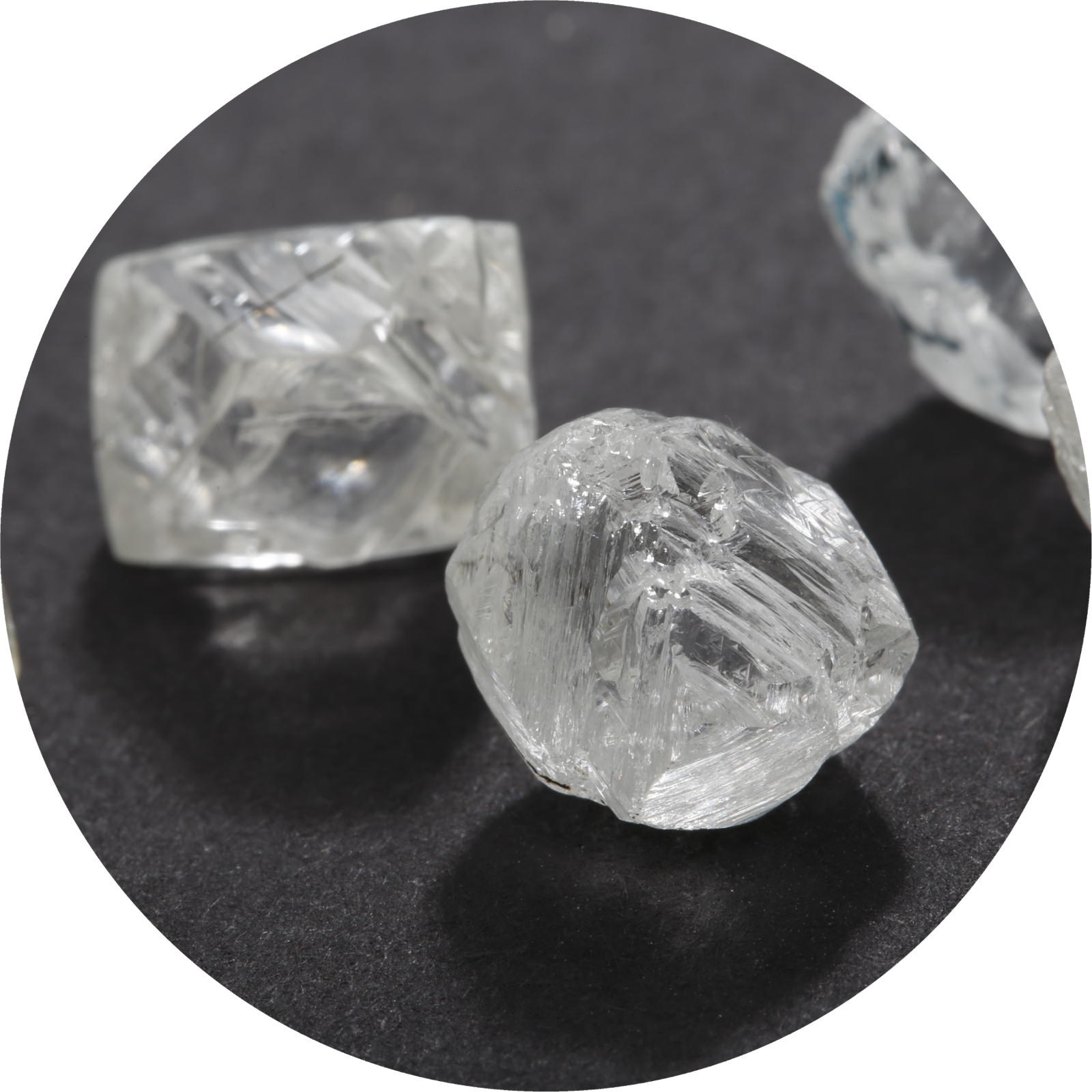
Natural diamonds are true miracles of time and pressure. Formed deep within the Earth over 1 to 3 billion years, they are brought to the surface through volcanic eruptions and carefully mined, cut, and polished to become the sparkling gems we know today.
Key Takeaways:
- Formed naturally over billions of years
- Each stone is truly one-of-a-kind
- Graded by leading gemological laboratories (e.g., GIA, AGS)
- Symbolic of rarity, authenticity, and timelessness
A natural diamond is more than a gemstone—it’s a fragment of the Earth’s story, crafted over eons and treasured for generations.
What Is a Lab-Grown Diamond?
Lab-grown diamonds are created in controlled environments using high-tech processes like HPHT (High Pressure, High Temperature) or CVD (Chemical Vapor Deposition). These methods replicate the conditions in which natural diamonds form—but do so in just a few weeks.

Key Takeaways:
- Grown in labs using advanced technology
- Visually similar to natural diamonds
- Not geologically rare; mass produced in factories
- No longer graded by GIA
While lab-grown diamonds are technically “real” diamonds, they lack the history and rarity that give natural diamonds their long-lasting value and symbolic power.
| Factor | Natural Diamond | Lab-Grown Diamond |
|---|---|---|
| Origin | Earth (1–3 billion years old) | Factory creates (weeks) |
| Rarity | Naturally limited, truly unique | Mass-produced, reproducible |
| Resale Value | Higher, more stable over time | Lower, significant depreciation in value |
| Symbolism | Traditional, romantic, enduring | Modern, tech-driven, alternative appeal |
| Cost | Higher upfront cost | More affordable |
| Heirloom Quality | Excellent for generational jewelry | Less suited for long-term keepsakes |
Why Natural Diamonds Continue to Stand Apart
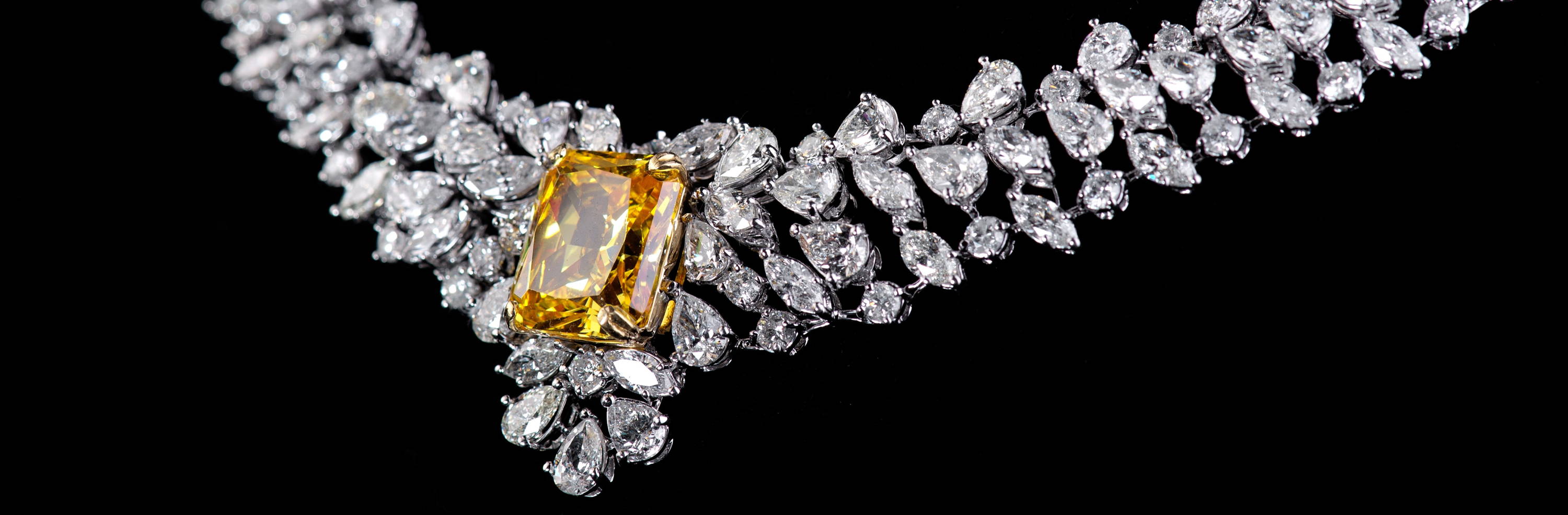
A Billion-Year-Old Gift
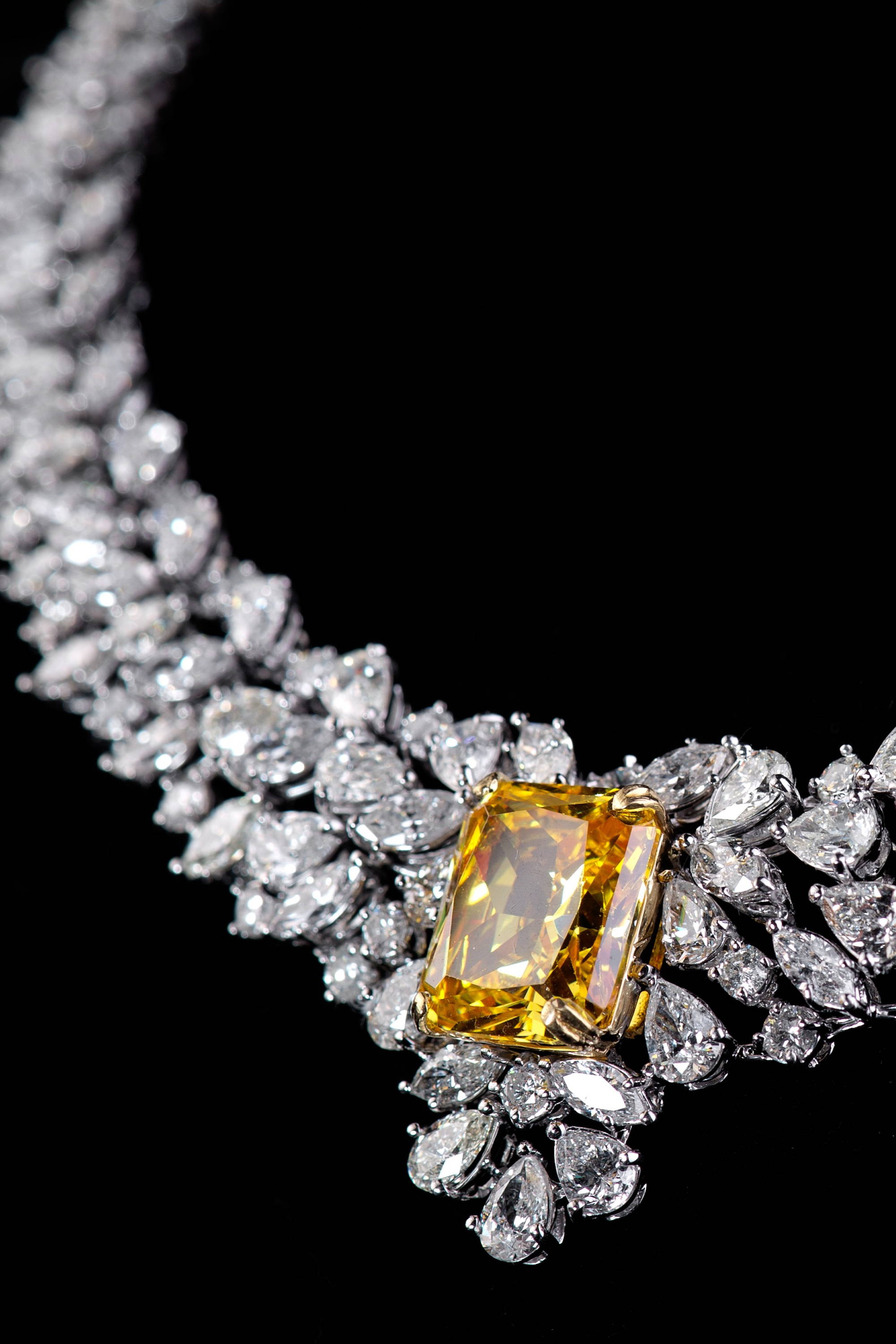
Natural diamonds are rare not just in beauty—but in origin. Their ancient formation gives them meaning far beyond sparkle. Whether for an engagement or a personal celebration, many feel that only a natural diamond captures the gravity of life’s most meaningful moments.
Lasting Value
While not all diamonds are investments, natural stones tend to retain their value far better than lab-grown alternatives, which continue to decline in resale value due to increasing supply and reduced rarity.
Family Legacy
A natural diamond can become a part of your family’s story—passed down, re-set, and reimagined through generations. Their uniqueness and permanence make them ideal for heirloom jewelry.
Lab-Grown Diamonds: A Modern Budget-Conscious Option
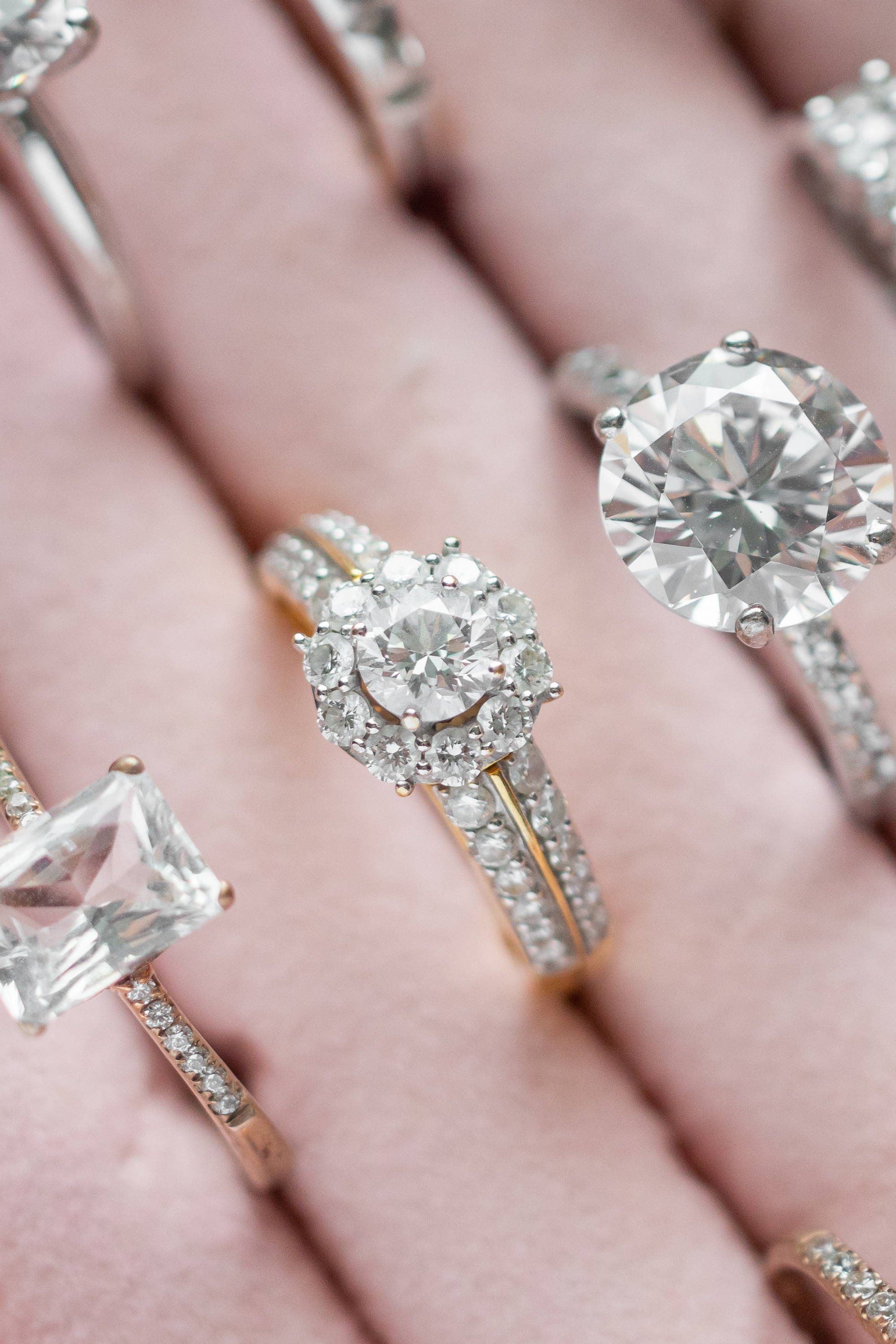
Lab-grown diamonds are appealing for certain buyers, especially those prioritizing affordability and carat size over heritage or investment potential.
More Diamond for Less
Lab-created stones typically cost 30–60% less than natural diamonds, giving buyers the opportunity to choose a larger stone or more intricate setting within the same budget.
Perceived Environmental Benefits
Since they don’t require mining, lab-grown diamonds may offer a reduced environmental impact—although it's worth noting that the labs that create them can be energy-intensive and sometimes rely on fossil fuels.
Common Questions About Lab-Grown vs. Natural Diamonds
Are lab-grown diamonds better for the environment?
Are lab-grown diamonds more ethical than natural diamonds?
No, they are not. While lab-grown diamonds are often marketed as the more ethical choice, the reality is far more nuanced.
At Reis-Nichols, we work exclusively with natural diamonds sourced through trusted suppliers who uphold strict ethical and environmental standards. Modern diamond mining practices have evolved significantly, with international oversight and regulations that prioritize human rights, environmental stewardship, and traceability.
In fact, responsible diamond mining has brought positive transformation to many communities around the world. Entire villages and local economies have been built and sustained by the diamond industry—providing stable jobs, infrastructure, education, and healthcare in regions where few other economic opportunities exist.
Do lab-grown diamonds lose value?
Yes. As the technology improves and production increases, lab-grown diamonds are rapidly depreciating in price—while natural diamonds continue to hold and many times appreciate in value.
Should You Choose a Natural or Lab-Grown Diamond?
Here’s a simplified guide to help you decide:
💎 Choose a Natural Diamond If:
You want something rare and meaningful
You value longevity and resale potential
You’re marking a once-in-a-lifetime moment
You’re buying with future generations in mind
💎 Choose a Lab-Grown Diamond If:
You’re prioritizing short-term aesthetics over long-term value
Why Reis-Nichols Only Offers Natural Diamonds
At Reis-Nichols Jewelers, we believe in offering our customers only the most authentic, meaningful, and time-tested diamonds available. While we recognize the innovation behind lab-grown options, our commitment is rooted in three core reasons:

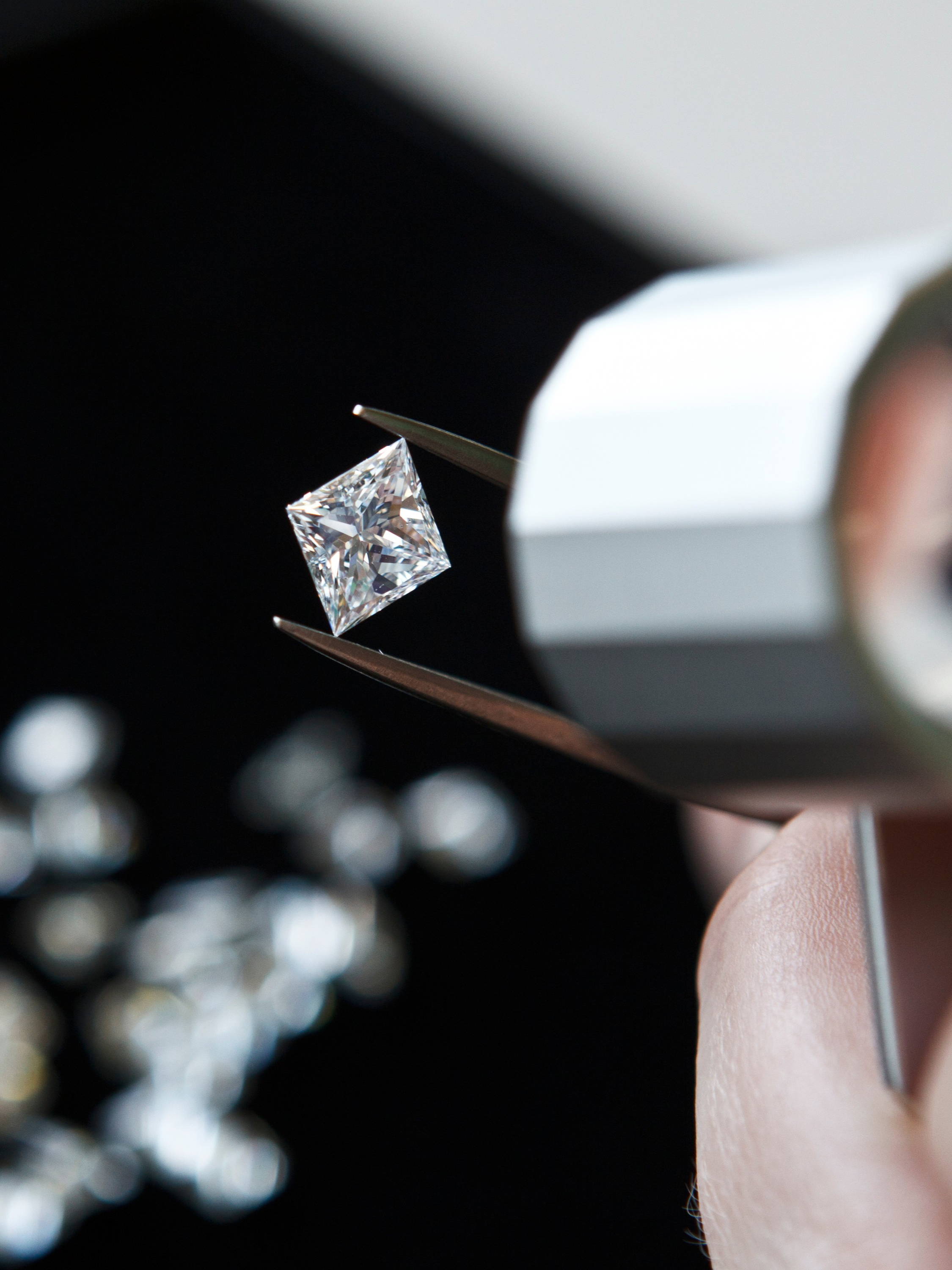
Legacy & Longevity
Natural diamonds carry a story that’s billions of years in the making. For us, that story aligns with the emotional weight of life’s most treasured milestones—whether it's a proposal, an anniversary, or a family heirloom in the making.
Long-Term Value
Natural diamonds continue to demonstrate strong market resilience. Our clients come to us for pieces that hold value not just financially, but emotionally and symbolically across generations.
Market Integrity
The lab-grown diamond market is rapidly changing—with volatile pricing and growing supply. By focusing solely on natural diamonds, we maintain the confidence and consistency that our customers have trusted for decades.
Our Ethical Sourcing Commitment
Trust is at the heart of everything we do. That’s why we source all our natural diamonds ethically and responsibly. Our standards include:
Working exclusively with suppliers who adhere to the Kimberley Process and other globally recognized ethical sourcing frameworks
Prioritizing traceability, verified country of origin, and responsible labor and environmental practices
Partnering with a trusted, transparent supply chain that supports human rights and sustainability
When you buy a diamond from Reis-Nichols, you're not just buying a diamond. You're investing in a story of ethics, authenticity, and everlasting beauty.

Featured Writer: Layla Lenhardt
Layla Lenhardt (AJP) is the Gemological Lab Coordinator at Reis-Nichols Jewelers. She is currently pursuing her Graduate Gemologist Degree. She's a contributing content writer for many publications and the author of Mother Tongue (Main Street Rag 2023). In her free time she enjoys playing the harp and spending time with her cats.